 Chat on WhatsApp
 Call Now


Exploring Future Trends in Home Cooling: Innovations for a Sustainable Tomorrow
05 Jul 2026| By admin
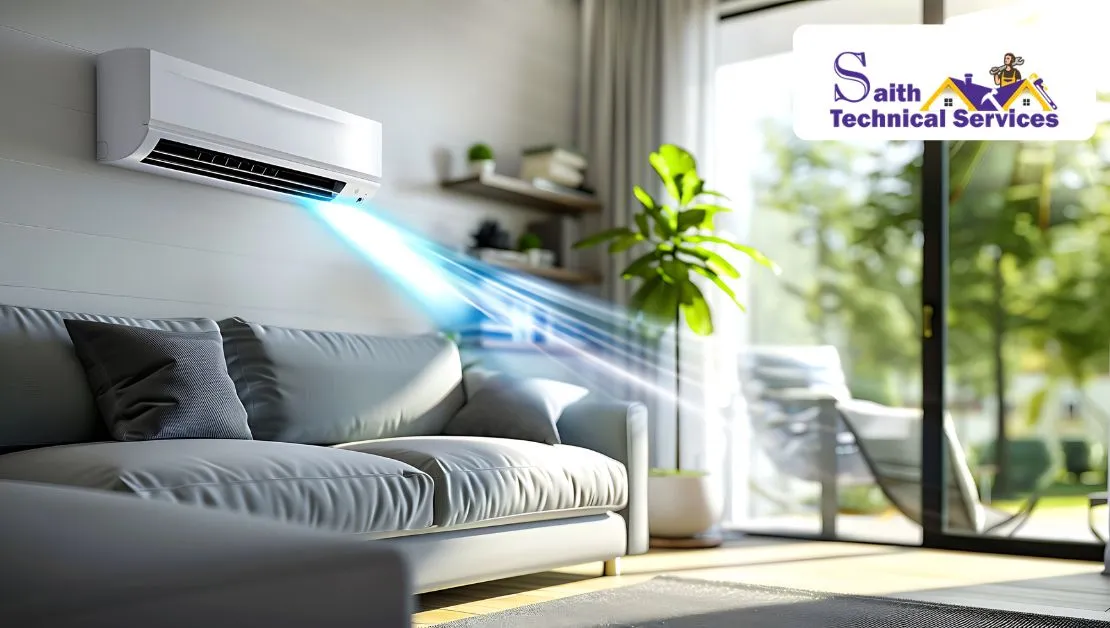
Think about a house that is always cool yet consumes less energy and leaves behind a smaller carbon footprint. With changing times and advancements in technology, consumers are looking towards innovative ways of making their homes cooler in terms of using energy-efficient cooling systems and AC filter cleaning Dubai services to keep their systems running in an efficient manner.
Technology in the field of home cooling is advancing fast due to the development of technologies that increase efficiency and decrease energy use, and improve air quality indoors. With intelligent cooling systems, eco-friendly refrigerants, and even prediction of maintenance needs, the future of home cooling promises increased comfort along with sustainability.
Various Future Trends in Home Cooling for a Sustainable Tomorrow
The development of technology has brought about changes in home air conditioning, which aims at increasing efficiency, comfort, and sustainability. In the future, emphasis will be put on the use of efficient and sustainable air conditioning systems.
Smarter cooling systems are taking over
Old-school AC units basically worked on one setting: on or off. That’s changing fast. Now you’ve got systems that adjust temperature based on room usage, humidity levels, and even time of day. It’s a bit like how your phone learns your habits. You don’t keep fiddling with it; it just adapts. That’s where home cooling is heading: more automation, less manual control.
Maintenance is becoming predictive, not reactive
This part is interesting. Cooling systems are starting to “tell you” When something is wrong. Instead of waiting for a detailed analysis, sensors can detect reduced airflow, dirty filters, or pressure issues early. Think of it like a car dashboard warning light, except it’s for your AC system. Having a good home repair company in Dubai will help you detect these problems before they become major repair or system problems.
Eco-friendly refrigerants are replacing traditional ones
There’s a quiet shift happening in the background. Older refrigerants had a bigger environmental impact. New ones are being designed to reduce global warming potential while still delivering strong cooling performance. You don’t notice it day to day, but it plays a huge role in making home cooling more sustainable in the long term.
Design is getting more compact and quieter
Nobody wants a noisy AC unit humming in the background anymore. Manufacturers are focusing on quieter motors and more compact indoor units that blend into interiors instead of standing out. It’s one of those upgrades you don’t notice until you experience it, and then you can’t go back.
Energy efficiency isn’t optional anymore
Electricity bills are pushing people to think differently. Modern cooling systems are being designed to do more with less power. Inverter technology is a good example; it doesn’t keep restarting the compressor; it just adjusts speed. That small shift makes a big difference over time, especially in hot climates where AC runs for hours at a time.
Air quality is now part of cooling design
Cooling isn’t just about temperature anymore. People care about what they’re breathing in. That’s why modern systems are integrating better filtration, UV cleaning, and humidity control. It’s not just about feeling cool; it’s about feeling comfortable in the space without the dry, stale air you used to get from older units.
Conclusion
Home cooling is clearly moving toward smarter, more efficient, and more sustainable solutions. The emphasis is being placed on far more than simply regulating the temperature, from smart systems to energy efficiency and cleaner air. With the increased use of these technologies, there will be benefits for residents both now and in the future.
 Home
Home
 Services

 Contact
 About
About